
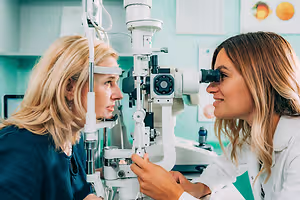
Contact Lens Exams & Fittings in Warren, Livingston & East Brunswick, New Jersey
We offer contact lens exams and fittings for first-time wearers and patients who need their current lenses reassessed.
No locations match that search.
Seesaw Vision Center
Seesaw Vision Center-Warren
Seesaw Vision Center-East Brunswick

Please take a moment to let others know about your experience visiting our practice.
We really appreciate the feedback!
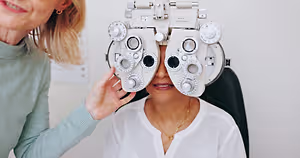
Contact Lens Exams Assess More Than Your Glasses Prescription
Your glasses prescription doesn't include all the information needed to prescribe contact lenses. Because contacts sit directly on your eyes, their shape, size, and positioning affect how they fit and perform.
A contact lens exam considers your prescription along with the additional measurements and assessments needed to determine which lenses will fit and perform well.
Even with a current glasses prescription, you need a separate, valid contact lens prescription to purchase contacts.
Contact Lens Fittings Assess Eye Shape, Lens Movement & Vision
A fitting helps determine whether contact lenses sit correctly on your eyes and provide appropriate vision correction. Several factors influence which lens design may be suitable.
Your Corneal Shape & Tear Film Influence Contact Lens Fit
The curvature of your cornea, the clear front surface of your eye, helps determine which lenses may fit appropriately.
Your tear film also affects how contact lenses interact with your eyes. Dryness or tear film instability may contribute to discomfort and influence lens selection.
Contact lenses need to sit and move appropriately on the eye. Excessive or insufficient movement can affect comfort and eye health.
During a fitting, lens positioning and movement may be assessed to determine whether adjustments to the lens design are needed.
Your vision is assessed with the contact lenses in place to determine whether they provide appropriate correction.
Changes to lens power or design may be recommended based on the fitting results.
Contact lenses can take some getting used to, particularly if you have only worn glasses.
New wearers need to understand how to insert and remove lenses, follow the prescribed wearing schedule, and maintain proper hygiene.
Some people become comfortable handling contacts quickly, while others need more practice. Following professional instructions helps establish safe wearing habits.
Contact your preferred Seesaw Vision Center location to confirm the handling instruction and follow-up arrangements included in its fitting service.
Changes in Contact Lens Comfort or Vision May Require a New Fitting
Contact lenses that previously felt comfortable may become less suitable as your prescription or eye health changes.
Dryness, irritation, fluctuating vision, or difficulty wearing lenses for your usual activities may indicate that your current fit or prescription needs reassessment.
A contact lens exam can help determine whether different lens specifications or further eye health evaluation are appropriate.
Remove your contacts if they cause persistent discomfort. Eye pain, significant redness, light sensitivity, or sudden vision changes require prompt medical assessment.
Proper Contact Lens Care Helps Reduce Infection Risks
Safe contact lens wear continues after your fitting.
Wash and dry your hands before handling lenses, follow your prescribed replacement schedule, and use appropriate cleaning and storage products for reusable contacts.
Keep contact lenses away from water, and do not sleep in them unless overnight wear has been specifically prescribed.
Some patients may require follow-up assessments to monitor lens fit, vision, and eye health after changing contact lenses.
Contact Lenses for Astigmatism & Presbyopia
Astigmatism and age-related near vision changes do not automatically rule out contact lenses. Toric and multifocal designs may provide suitable vision correction for eligible patients.
Daily vs. Monthly Contact Lenses
Daily disposables are replaced after each use, while monthly lenses require cleaning and storage. Replacement schedules, maintenance, and costs differ between the two options.
Contact Lenses for Children & Teenagers
Some children and teenagers can wear contact lenses safely. Suitability depends on their prescription, eye health, maturity, and ability to follow proper lens care instructions.
Contact Lens Costs & Ongoing Expenses
Contact lens costs depend on the lens type, replacement schedule, and prescription. Reusable lenses may also require cleaning solutions and storage supplies.
Schedule a Contact Lens Exam in Warren, Livingston & East Brunswick
We provide contact lens exams and fittings for new and experienced wearers at Seesaw Vision Center.
Contact your preferred location in Warren, Livingston, or East Brunswick, New Jersey, to confirm fitting availability, appointment requirements, and fees.
Appointment length depends on whether you are new to contact lenses, your prescription, and the complexity of the fitting. First-time wearers may need additional time. Contact your preferred Seesaw Vision Center location for scheduling details.
You may be asked to arrive wearing your current lenses so their fit and performance can be assessed. Instructions vary depending on the examination, so confirm what to wear before your visit.
Contact lens brands can differ in material, curvature, diameter, and design. Switching brands may require an assessment to confirm that the new lenses fit appropriately and provide clear vision.
Some people with seasonal allergies can continue wearing contact lenses, but itching, watering, and irritation may make them uncomfortable. Lens wear may need to be reduced or temporarily stopped during allergy flare-ups.
Yes. Insert your contact lenses before applying eye makeup and remove them before taking makeup off. Avoid applying products to the inner eyelid margin, and replace eye makeup regularly to reduce contamination risks.
Water exposure increases the risk of serious eye infections, including Acanthamoeba keratitis. Remove contact lenses before swimming, showering, or using a hot tub.
Contact lens wear after eye surgery depends on the procedure, healing, and your surgeon's instructions. Do not resume wearing lenses until your treating eye care professional confirms that it is appropriate.
Yes. You do not need to have worn glasses before considering contact lenses. A comprehensive vision assessment and contact lens fitting help determine whether contacts are suitable for your eyes.