
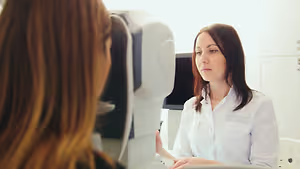
Comprehensive Eye Exams in Livingston, Warren & East Brunswick, NJ
Seesaw Vision Center provides comprehensive eye exams for children and adults in Warren, Livingston, and East Brunswick, NJ.
No locations match that search.
Seesaw Vision Center
Seesaw Vision Center-Warren
Seesaw Vision Center-East Brunswick
Please take a moment to let others know about your experience visiting our practice.
We really appreciate the feedback!
Comprehensive Eye Exams Assess More Than Your Glasses Prescription
Your eye doctor reviews your health history, discusses any vision concerns, and examines your eyes.
Depending on your needs, your exam may include:
- Visual acuity testing: Checks how clearly you see at different distances.
- Refraction: Determines the prescription needed for clear vision.
- Eye coordination testing: Checks how your eyes focus and work together.
- Visual field testing: Checks your side vision and looks for blind spots.
- Tonometry: Measures eye pressure, an important part of assessing glaucoma risk.
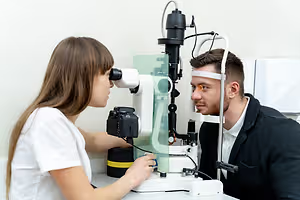
- Slit-lamp examination: Uses a special microscope to examine parts of your eyes.
- Retinal examination: Checks the retina, optic nerve, and blood vessels at the back of your eyes.
Your doctor may recommend retinal photography or additional testing based on your exam findings.
Eye Exams Can Identify Concerns Before You Notice Symptoms
Some eye conditions cause few symptoms early on. A comprehensive exam can help identify signs of glaucoma, cataracts, and retinal problems.
Your eyes may also show changes linked to health conditions such as diabetes or high blood pressure.
If your eye doctor has concerns, they can explain the results and recommend further assessment or care.
Signs You May Need an Eye Exam
Changes in your vision can affect everyday activities. Schedule an eye exam if you notice:
- Blurry vision at any distance
- Frequent squinting to see clearly
- Trouble reading or focusing on close-up work
- Headaches during reading or screen time
- Difficulty seeing clearly at night
- Glasses or contact lenses that no longer provide clear vision
An eye exam can help identify the cause of these changes and whether you need an updated prescription or further care.
Sudden vision loss, severe eye pain, or new flashes and floaters require urgent medical attention, not a routine eye exam.
Eye Exam Frequency Changes With Age, Health & Vision Needs
Vision develops rapidly during childhood. Age-appropriate examinations can help identify concerns that may not be obvious to parents.
Babies & Young Children
Eye exams help check how your child's vision is developing. They can identify problems with focusing, eye alignment, and how the eyes work together, even before your child can read an eye chart.
School-Age Children & Teens
Nearsightedness often develops or progresses during school years. Eye examinations help monitor vision changes and determine whether further assessment is needed.
Adults Under 40
Prescription changes, visual demands, and your risk factors can influence the need for an examination, even when your eyesight seems stable.
Adults Over 40
Age-related changes can make reading and other close-up activities more difficult. Eye examinations help assess prescription needs and monitor eye health.
Adults 65 & Older
The risk of certain eye conditions increases with age. The frequency of your eye exams should reflect your eye health, medical history, and risk factors.
Your eye doctor can recommend an exam schedule based on your age, health history, and examination findings.
What to Bring to Your Appointment
Knowing your vision and health information can help you discuss your concerns during an examination.
Consider bringing your current glasses or contact lenses, details of any vision changes, and information about relevant medical conditions or medications.
Contact our office before your visit to confirm appointment instructions and insurance requirements.
Your Eye Exam Creates a Reference Point for Future Changes
Even when your vision seems stable, an eye examination provides information about your current eyesight and eye health. Future examinations can help identify changes.
An Eye Health Concern Does Not Always Mean Immediate Treatment
Some examination findings may require monitoring or further assessment rather than immediate treatment. Understanding the findings helps you make informed decisions about recommended care.
An Eye Exam Does Not Automatically Mean New Glasses
Your examination may show that your current prescription remains appropriate. The purpose is to assess your vision and eye health, not simply to determine whether you need another pair of glasses.
An Eye Exam Can Help You Make Sense of Subtle Vision Changes
Changes in reading comfort, focusing, or distance vision can develop gradually. An exam can help determine whether your vision has changed and whether you need further evaluation.
Dilation can temporarily cause blurry near vision and increased sensitivity to light. Some patients can drive afterward, while others may find it uncomfortable or unsafe. Arrange transportation if you are unsure how dilation may affect you.
Contact lens wearers should confirm whether they need to remove their lenses before the examination. Instructions may vary depending on the tests being performed and whether a contact lens fitting is included.
Patients can request a copy of their finalized eyeglasses prescription after a refractive examination. A contact lens prescription requires additional fitting information and may not be issued as part of a routine eye exam.
Eye examinations can be performed during pregnancy. Hormonal changes may temporarily affect vision or contact lens comfort, so tell your eye doctor if you are pregnant. Certain tests or treatments may require additional consideration.
Yes. Diabetes can affect the eyes, sometimes before noticeable vision changes occur. People with diabetes may need specific retinal assessments and follow-up schedules. Confirm the appropriate examination service when scheduling.
Not every examination requires follow-up care. Your eye doctor may recommend another appointment, additional testing, or referral if the findings require further evaluation.
Book a Comprehensive Eye Exam Near You
Choose your preferred Seesaw Vision Center office to confirm appointment availability and arrange your visit.