
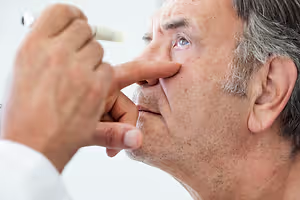
Eye Disease Management in Livingston, Warren & East Brunswick, New Jersey
We assess and monitor dry eye, glaucoma, macular degeneration, and diabetic eye disease, with treatment guidance or specialist referrals when needed.
No locations match that search.
Seesaw Vision Center
Seesaw Vision Center-Warren
Seesaw Vision Center-East Brunswick

Tell others about your visit. We appreciate your feedback.
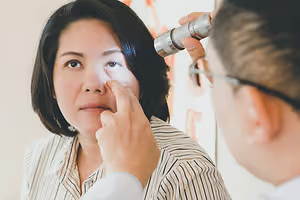
Eye Disease Monitoring Helps Guide Your Next Steps
Eye disease can affect your comfort and vision, sometimes before you notice a change. Regular exams help detect problems early and track existing conditions.
At your appointment, we review your symptoms and health history, examine your eyes, and recommend additional testing when needed. Your findings guide the next step: monitoring, treatment, or specialist care.
Dry Eye: Find the Cause of Your Discomfort
Burning, redness, watery eyes, or vision that comes in and out of focus may be signs of dry eye. Symptoms can become more noticeable during reading, screen use, or contact lens wear.
Dry eye happens when your eyes make too few tears or your tears do not keep the eye surface moist. An exam helps identify what is contributing to your symptoms.
Depending on your needs, care may include lubricating drops, changes to daily habits, or other treatments. Follow-up visits help assess your comfort and adjust your plan.
Glaucoma: Protect the Vision You Have
Glaucoma damages the optic nerve, which carries visual information to your brain. It often develops without early symptoms, making regular exams important.
Testing looks beyond eye pressure. Depending on your needs, it may include an optic nerve exam, peripheral vision testing, or imaging to track changes.
Treatment cannot restore vision lost to glaucoma, but it can help slow further damage. Options may include prescription drops, laser treatment, or surgery. Your diagnosis determines the care, follow-up, and specialist support you need.
Macular Degeneration: Watch for Central Vision Changes
Age-related macular degeneration (AMD) affects the part of your retina you use to read, recognize faces, and see fine details.
Dry AMD usually progresses gradually. Wet AMD involves abnormal blood vessels beneath the retina and can cause vision changes more quickly. Exams and retinal imaging help identify and monitor both forms.
Care depends on the type and stage. It may include monitoring, specific supplements when appropriate, or treatment by a retinal specialist.
Seek prompt medical attention for new distortion or sudden changes in central vision.
Diabetes: Check Your Eyes Before Symptoms Start
Diabetes can damage blood vessels in the retina, the light-sensitive tissue at the back of your eye. Regular dilated exams help detect changes even when your vision seems normal.
Diabetes: Check Your Eyes Before Symptoms Start
Diabetic retinopathy can develop without noticeable symptoms. People with type 1 or type 2 diabetes need retinal examinations, even when their vision seems unchanged.
Blurry Vision, Floaters & Dark Spots Can Signal Retinal Damage
Diabetic retinopathy may cause blurred vision, floaters, or dark areas in your sight. Sudden vision loss or new visual disturbances require urgent medical assessment.
Diabetic Eye Exam Frequency Depends on Your Retinal Health
Many patients with diabetes need an eye examination at least annually, although some may require more frequent monitoring. Your diabetes history and retinal findings determine the appropriate schedule.
Early Diabetic Retinopathy May Need Monitoring Before Treatment
Mild retinal changes may be monitored, while more advanced disease can require specialist treatment. Your examination findings help determine whether additional testing, referral, or treatment is needed.
Take the Next Step for Your Eye Health
Have persistent discomfort, a change in vision, or a condition that needs monitoring? Book an eye exam to discuss your concerns and next steps.
Choose the location that works for you in Livingston, Warren, or East Brunswick.
Yes. Conditions such as glaucoma and diabetic retinopathy can develop before noticeable vision changes occur. Regular eye examinations can help identify signs that require attention.
Yes. An unstable tear film can cause fluctuating or blurry vision, particularly during reading and screen use. Persistent symptoms should be assessed because blurry vision can have several causes.
There is currently no cure for existing glaucoma-related optic nerve damage. Treatment aims to slow or prevent further vision loss, usually by lowering eye pressure.
Management depends on the type and stage of macular degeneration. Wet AMD is commonly treated with injections administered by a retinal specialist, while dry AMD may involve monitoring and other measures appropriate to the disease stage.
Yes. Diabetes increases the risk of diabetic retinopathy and certain other eye conditions. Regular retinal examinations are important even when your vision seems unchanged.
Some complications of diabetic retinopathy can improve with treatment, but established retinal damage may not be fully reversible. Early detection and appropriate management can help reduce the risk of further vision loss.
Some eye conditions can be monitored or managed by an optometrist, while others require an ophthalmologist or retinal specialist. The appropriate care depends on the diagnosis and treatment needed.
Medical eye examinations and treatments may qualify for medical insurance coverage, depending on your diagnosis, plan, and services provided. Contact your insurance provider and your preferred office (Seesaw Vision Center, Seesaw Vision Center-Warren, or Seesaw Vision Center-East Brunswick) to confirm benefits.