

Vision Therapy for Eye Focusing & Coordination in Livingston, Warren & East Brunswick, New Jersey
We offer vision therapy for certain eye focusing, tracking, and coordination problems in children and adults. An assessment can help determine whether vision therapy is appropriate.
No locations match that search.
Seesaw Vision Center
Seesaw Vision Center-Warren
Seesaw Vision Center-East Brunswick

Please take a moment to let others know about your experience visiting our practice.
We really appreciate the feedback!
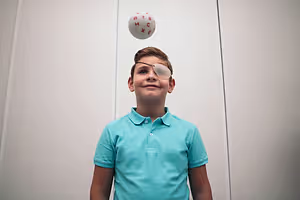
Eye Focusing & Coordination Problems Can Affect Reading, Work & Everyday Activities
Clear eyesight does not always mean your eyes are working comfortably together. Some people experience difficulty maintaining focus, coordinating both eyes, or moving their eyes accurately between visual targets.
Signs that may indicate a visual skills concern include:
- Double vision during reading or close work
- Eye strain or headaches during near activities
- Difficulty maintaining clear focus
- Losing your place while reading
- Blurry vision when switching between near and distant objects
- Difficulty following moving objects
- Discomfort when using both eyes together
These symptoms can have several causes. A visual skills assessment can help identify whether an eye focusing or coordination problem is contributing.
Vision Therapy Addresses Specific Problems With How Your Eyes Work Together
Vision therapy uses structured visual activities to address certain diagnosed problems involving eye coordination, focusing, and movement.
The exercises selected depend on the visual condition identified during your assessment.
Eye Teaming Exercises Address Difficulties Coordinating Both Eyes
Your eyes need to work together to maintain comfortable binocular vision.
When eye teaming is difficult, you may experience double vision, headaches, or discomfort during reading and other close-up activities.
Vision therapy may help certain diagnosed binocular vision disorders, including some cases of convergence insufficiency.
Eye Tracking Activities Address Difficulties Following Moving Objects
Eye tracking involves directing your eyes accurately between visual targets and following objects as they move.
An assessment can help determine whether an eye movement problem is contributing to your symptoms. The appropriate treatment depends on the specific findings.
Focusing Exercises Address Problems Maintaining or Changing Focus
Your eyes continually adjust focus when looking between objects at different distances.
Some focusing disorders can cause blurry vision, eye strain, or difficulty maintaining clarity during prolonged near work.
Vision therapy may be appropriate for certain diagnosed focusing problems.
Vision Problems Can Make Reading & Schoolwork More Difficult
Reading requires clear vision, accurate eye movements, and the ability to maintain focus.
When these visual functions are affected, reading and other close-up activities may become uncomfortable or more demanding.
However, reading difficulties can have several causes. A vision assessment can help identify coexisting visual concerns, but vision therapy is not a treatment for every reading or learning problem.
Vision Therapy Does Not Treat Dyslexia or Learning Disorders
Dyslexia and other learning disorders are not caused by eye focusing or coordination problems.
Vision therapy has not been shown to treat dyslexia or improve learning disabilities directly.
Children experiencing reading difficulties may benefit from an eye examination to identify vision concerns alongside appropriate educational or developmental assessments.
A Visual Skills Assessment Helps Determine Whether Therapy Is Appropriate
Vision therapy begins with understanding the specific visual functions causing difficulty.
Depending on your symptoms and examination findings, an assessment may evaluate eye alignment, focusing ability, binocular coordination, and eye movements.
The results help determine whether a treatable visual disorder is present or whether another form of care is more appropriate.
Not everyone experiencing eye strain, headaches, or reading discomfort needs vision therapy.
Office-Based Therapy & Home Exercises May Form Part of Your Treatment
Vision therapy programs may involve supervised exercises alongside activities completed at home.
The exercises are selected according to the diagnosed visual condition and may change as treatment progresses.
The number of appointments, treatment duration, and home exercise requirements depend on your needs and response.
Follow-Up Assessments Help Monitor Changes in Visual Skills
Vision therapy requires monitoring to determine whether the prescribed activities are addressing the identified visual problem.
Follow-up assessments may evaluate changes in eye coordination, focusing, or other relevant visual functions.
The treatment plan can be reviewed based on examination findings and your progress.
Vision Therapy & Prescription Glasses Serve Different Purposes
Glasses correct refractive errors, while vision therapy addresses certain diagnosed problems with eye focusing and coordination. Some patients may benefit from glasses, therapy, or a combination of both.
Progress Is Measured Through Visual Function, Not Just Eyesight
Changes in eye coordination, focusing ability, and visual comfort may help determine whether treatment is effective. Progress depends on the diagnosed condition and your response.
Consistent Participation Matters During Vision Therapy
Some treatment plans include exercises between appointments. Following the prescribed schedule can support treatment goals, although results vary and improvement is not guaranteed.
Some Visual Concerns Require Care Beyond Vision Therapy
Double vision, persistent headaches, or sudden visual changes can have causes unrelated to visual skills. An appropriate assessment helps determine whether medical evaluation or another specialist is needed.
Arrange an Assessment for Eye Focusing & Coordination Concerns
Persistent eye strain, double vision, or difficulty maintaining focus may indicate a visual problem worth assessing.
Contact our practice to discuss your symptoms and arrange an appropriate assessment at your preferred location in Livingston, Warren, or East Brunswick.
No. A comprehensive eye exam assesses your eyesight and eye health. Vision therapy involves structured treatment for certain diagnosed visual function disorders.
An assessment is needed to determine whether therapy is appropriate.
Some adults with diagnosed binocular vision or focusing disorders may benefit from specific forms of vision therapy. Suitability depends on the condition and examination findings.
Glasses correct refractive errors and may help manage certain focusing or binocular vision concerns. Other conditions may require additional assessment or treatment.
No. Evidence varies by condition. Certain approaches have supporting evidence for specific disorders, including symptomatic convergence insufficiency, but not every proposed use of vision therapy has the same level of evidence.
Visual symptoms can occur after a concussion and require appropriate medical assessment. Rehabilitation recommendations depend on the diagnosed condition and available evidence.
Contact your preferred office to confirm whether the relevant assessment or treatment is available.
Coverage depends on your insurance plan, diagnosis, and services provided. Contact your insurance provider and preferred office to confirm benefits and potential costs.
Treatment duration varies according to the diagnosed condition, treatment plan, and response. Your eye doctor can explain the recommended schedule following an assessment.