
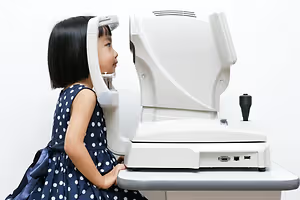
Pediatric Eye Exams in Livingston, Warren & East Brunswick, New Jersey
We provide children's eye exams to assess developing vision, eye alignment, and eye health. Our eye doctors also have clinical backgrounds in children's vision care and myopia management.
No locations match that search.
Seesaw Vision Center
Seesaw Vision Center-Warren
Seesaw Vision Center-East Brunswick
Please take a moment to let others know about your experience visiting our practice.
We really appreciate the feedback!
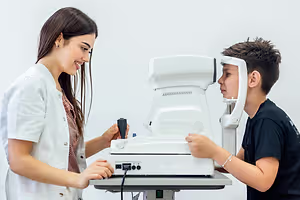
Squinting, Headaches & Reading Difficulties May Signal a Vision Problem
Children may not know how to explain that their eyesight has changed. Parents often notice changes in how their child reads, concentrates, or sees distant objects.
Signs that may warrant an eye exam include:
- Squinting or closing one eye to see clearly
- Sitting close to screens or holding books near the face
- Difficulty seeing the classroom board
- Frequent eye rubbing or complaints of tired eyes
- Headaches during reading or homework
- Losing their place while reading
- Tilting their head to look at objects
- One eye that appears to turn inward or outward
These signs can have several causes and do not necessarily mean your child needs glasses. An eye examination can help determine whether a vision problem is contributing.
Passing a School Vision Screening Does Not Replace a Comprehensive Eye Exam
School vision screenings can identify possible vision problems, but they don't assess every aspect of your child's vision and eye health.
Most screenings focus on distance vision. They may not identify issues with focusing, eye coordination, or overall eye health.
A comprehensive pediatric eye exam provides a broader assessment, even when your child has passed a school screening.
Pediatric Eye Exams Assess Vision, Eye Alignment & Eye Health
A child's eye exam evaluates more than whether glasses are needed. It helps assess how clearly your child sees, how their eyes work together, and whether there are signs of eye health concerns.
Children rely on their vision for reading, writing, using screens, and seeing information across a classroom.
Vision testing helps identify nearsightedness, farsightedness, astigmatism, and other prescription concerns that may affect these activities.
Your child's eyes need to work together to support comfortable binocular vision.
Eye alignment assessments can help identify concerns such as an eye that turns inward or outward. Additional testing may be recommended depending on the findings.
Some eye conditions may develop without obvious symptoms. Pediatric eye examinations help assess eye health and identify signs of concerns that may require monitoring, additional testing, or treatment.
Young Children Can Have Eye Exams Before They Know Their Letters
Children don't need to know the alphabet to participate in an age-appropriate vision exam.
Eye doctors can use pictures, lights, and other visual targets to assess aspects of vision and eye health. The methods used depend on the child's age, development, and ability to participate.
Contact your preferred Seesaw Vision Center location to confirm the youngest age examined and what to expect during the appointment.
Children's Eye Exam Needs Change as They Grow
Vision develops throughout childhood. The appropriate examination schedule depends on your child's age, eye health, family history, and risk factors.
Infants: Monitoring Early Vision Development
Vision develops rapidly during infancy. Early assessments can help identify concerns involving visual development or eye alignment.
Contact our team to confirm availability for infant examinations and age eligibility.
Preschool Children: Checking Vision Before Kindergarten
Preschool examinations can help identify vision concerns before children begin more demanding classroom activities.
Assessing visual clarity, eye alignment, and eye health can provide useful information about developing vision.
School-Age Children: Monitoring Prescription Changes
Nearsightedness and other prescription changes can develop during the school years.
Eye examinations help monitor these changes and identify vision concerns that may affect reading, classroom activities, and everyday life.
Teenagers: Monitoring Nearsightedness During Growth
Myopia can continue progressing during adolescence. Regular exams help track prescription changes and determine whether myopia management is appropriate.
Our myopia management services focus on slowing the progression of childhood nearsightedness.
If your child's nearsightedness continues to increase, updating their glasses prescription may not be the only consideration.
Myopia management focuses on slowing the progression of nearsightedness rather than simply correcting blurry distance vision.
Our eye doctors can assess your child's prescription changes and discuss whether myopia management may be appropriate.
Seesaw Vision Center serves families in Livingston, Warren, and East Brunswick, New Jersey.
Choose your preferred location to find office information, directions, and appointment details. Contact the office to confirm pediatric examination availability and age eligibility.
Get Answers About Your Child's Vision
Squinting, headaches, difficulty seeing at school, or changes in your child's prescription may indicate it's time for an eye exam.
We provide pediatric eye care for families in Livingston, Warren, and East Brunswick. Contact your preferred location to confirm appointment availability and arrange a visit.
Yes. Eye doctors can use age-appropriate methods that do not require children to read a traditional letter chart. The examination approach depends on your child's age and development.
Yes. Children who already wear glasses can have their vision and eye health assessed. Bring their current glasses so the eye doctor can review their existing vision correction.
Some pediatric eye examinations may involve dilating drops or other eye drops, depending on the child's needs and examination findings. Contact your preferred office for information about its examination procedures.
Many children can return to their usual activities after an eye examination. If dilating drops are used, temporary blurry near vision or light sensitivity may affect comfort. Ask about any recommended precautions.
Coverage depends on your insurance plan and the services provided. Contact your insurance provider and preferred Seesaw Vision Center location to confirm benefits and potential out-of-pocket costs.
Eye doctors can adapt aspects of an examination to a child's age and ability to participate. Contact the office before scheduling to discuss any concerns about your child's comfort or cooperation.